
Lawson on managing 2026 energy deployment systems
Liam Lawson says F1 drivers are still learning how to manage the “extremely complicated” energy-deployment algorithms in this year’s cars, with battery power deployed by the on-board systems rather than directly by the driver. Lawson said: "There are things that you can do to trigger a bug that happens, and it starts making something else worse, so yeah, it is obviously extremely complicated. At this point, we're still learning even now how it all works, but it is as you get faster through a weekend, you start using more energy. You almost have to try and pre-plan how quick you're going to be in qualifying to know how much throttle you're going to use, how much energy you're going to use and where you are going to need to harvest."
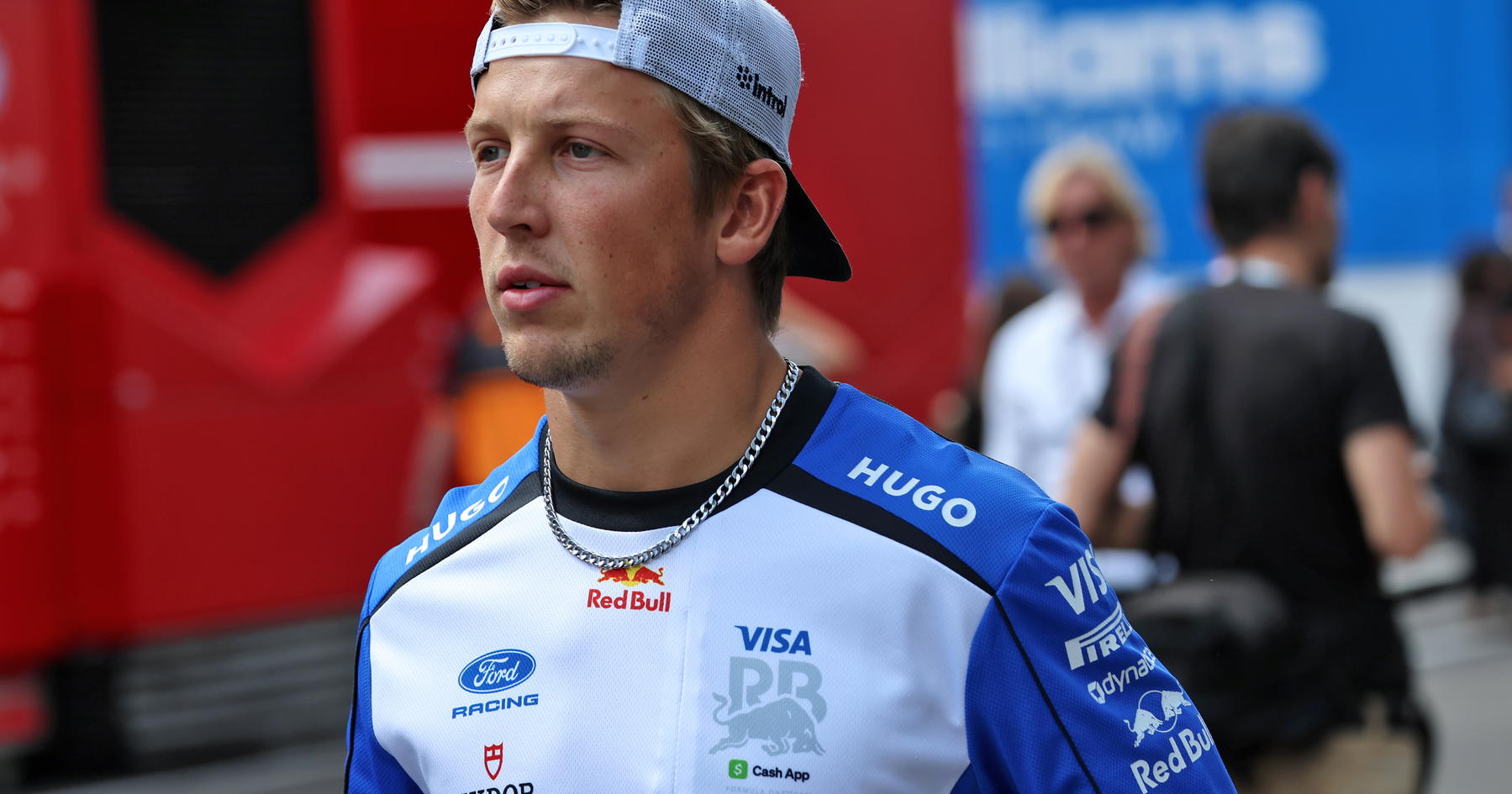
Liam Lawson details 'extremely complicated' ongoing challenge F1 drivers face
Open original
🗞️ Latest Stories
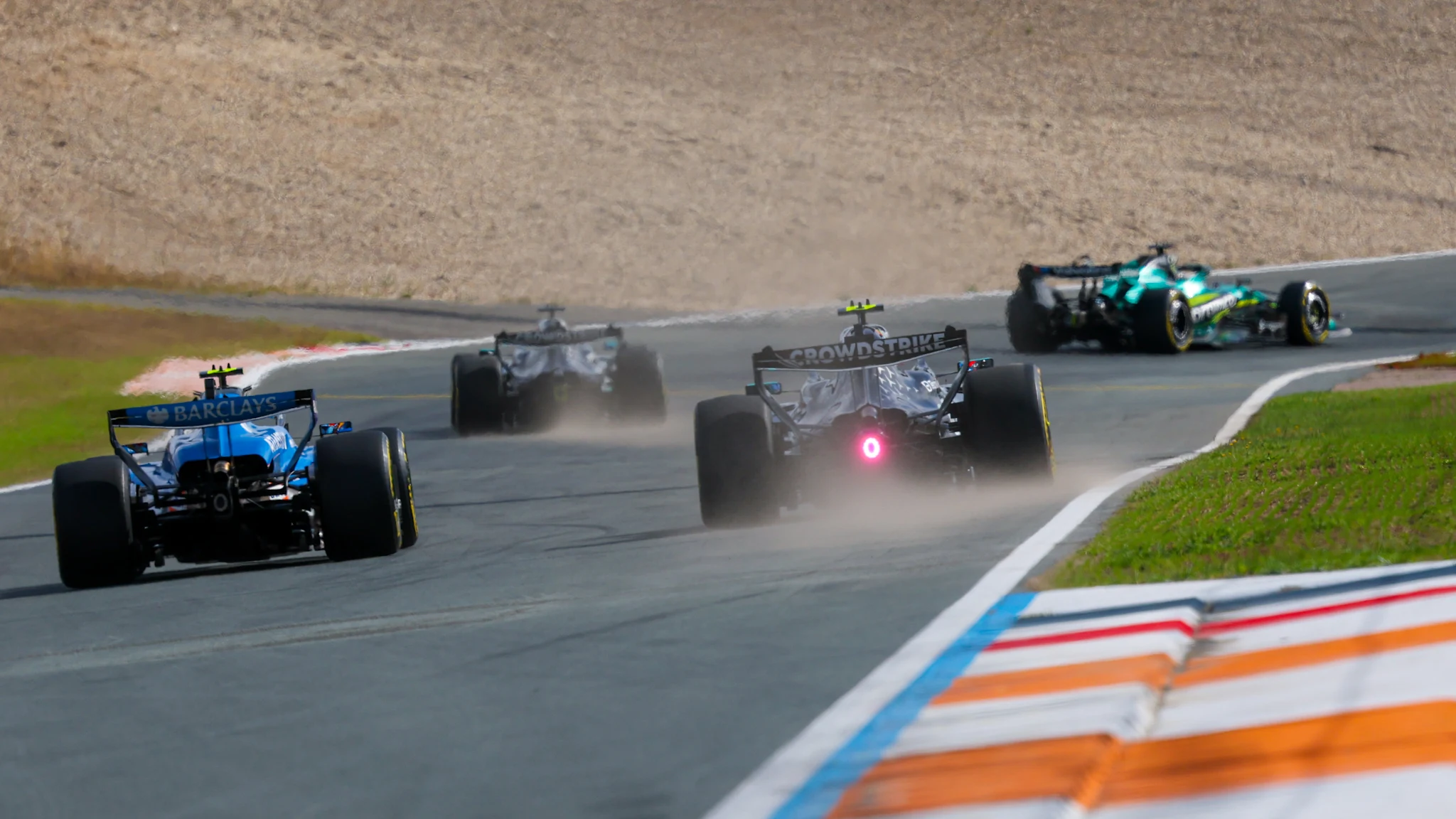
What the teams said – Sprint Qualifying in the Netherlands
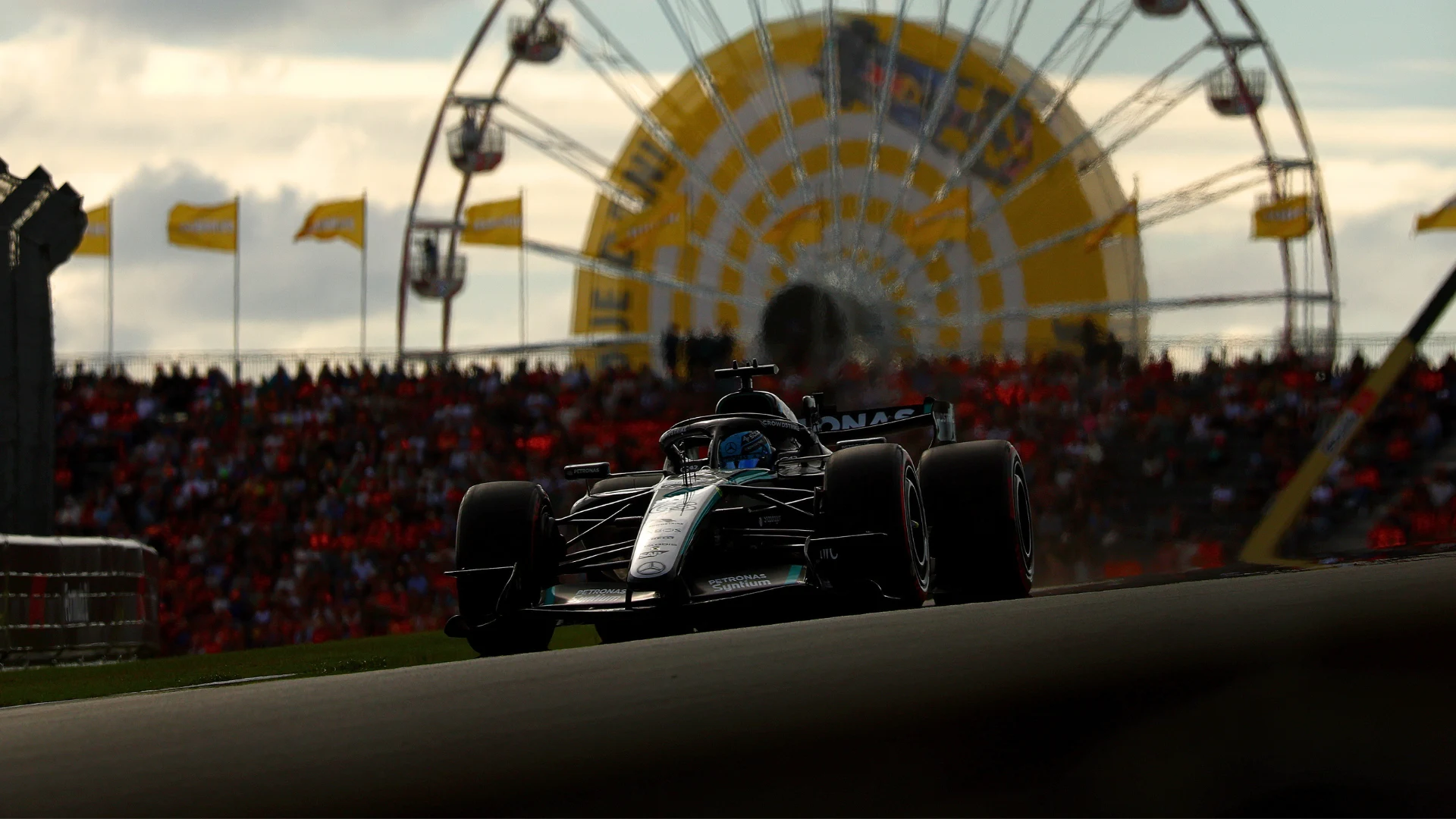
Can Russell and Mercedes keep their rivals at bay in Zandvoort?
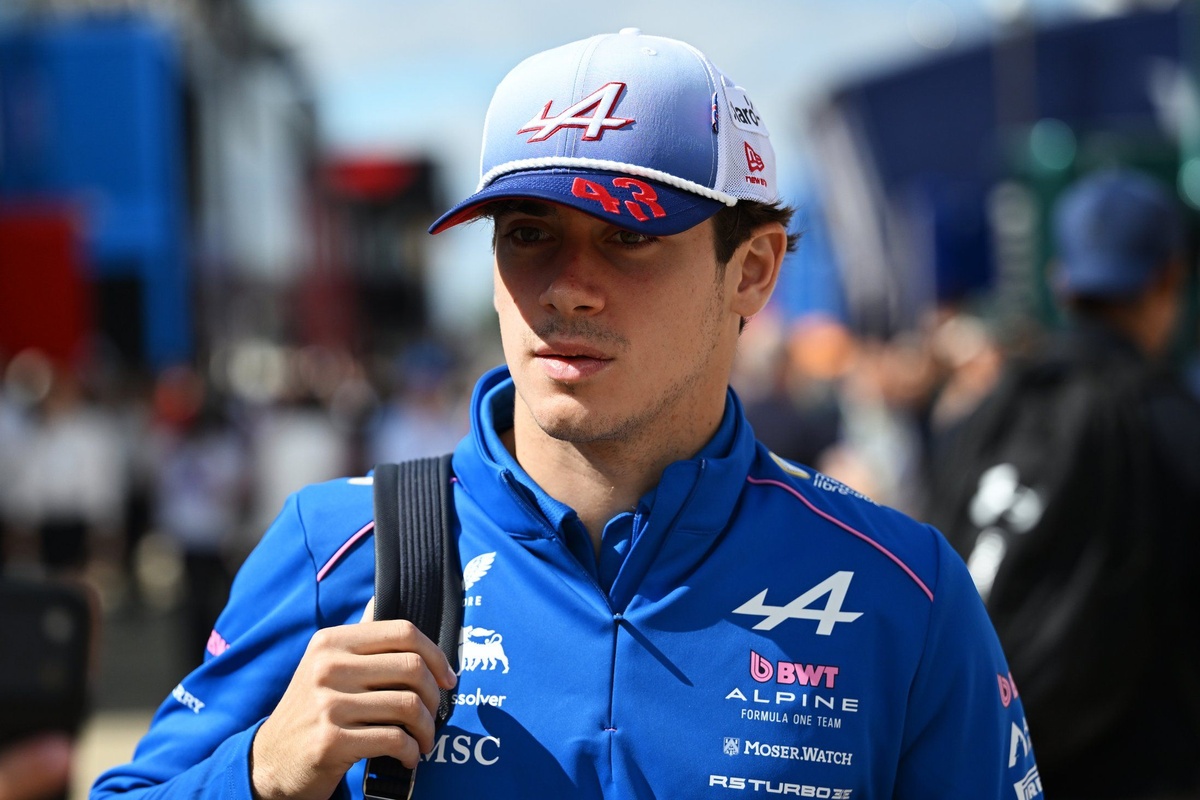
Franco Colapinto reveals details of Milan car robbery during F1 summer break
Franco Colapinto says his personal car was broken into while he was eating out in Milan during the summer break, with thieves taking his passport, wallet and clothes. Colapinto said: "They stole everything from me. I wish they had only stolen the mate [Argentinian drink]. Everything. My wallet, passport. All my clothes. A complete disaster. I was left with nothing. In Milan. I left everything in the car. I went to eat at an Italian restaurant that I really like. The best carbonara. And then, when I came back, there was nothing left inside. Nothing."
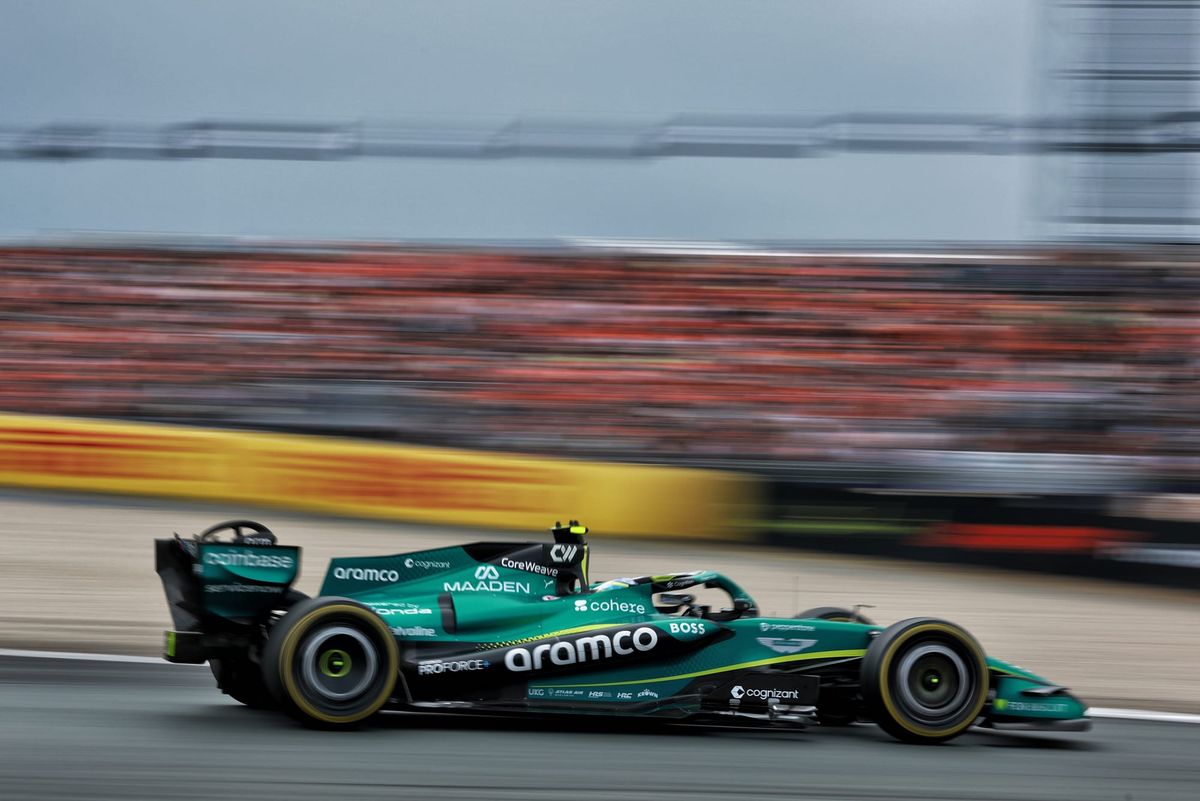
What ruined Honda's big F1 upgrade engine debut
Max Verstappen deal: Good news for Red Bull and F1, bad news for the driver market
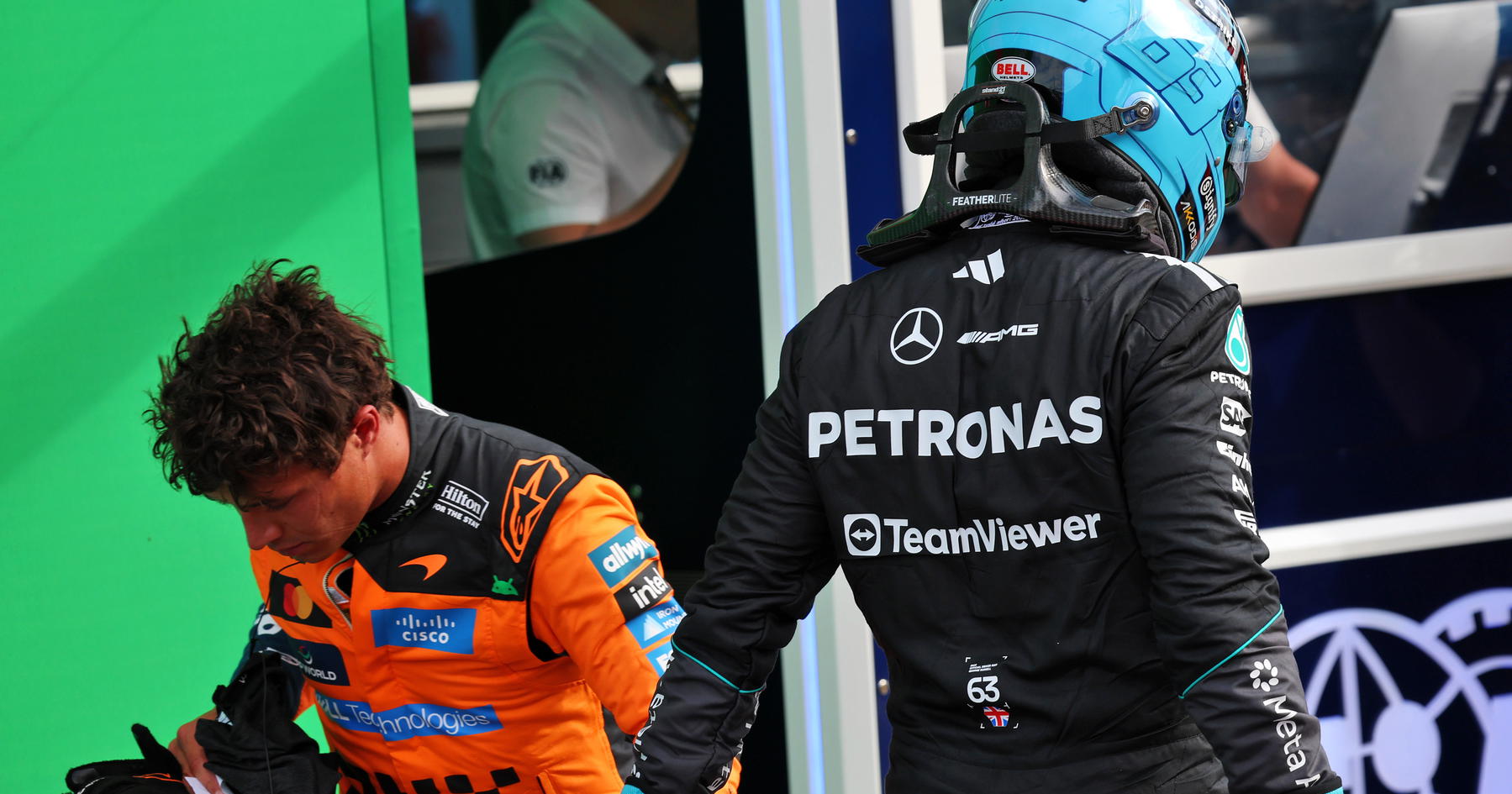
Lando Norris points to key factor behind slender George Russell defeat
Lando Norris says he missed out on Sprint pole at Zandvoort because he did not extract the maximum potential from the soft tyres in SQ3, after George Russell beat him by 0.041 seconds. Lando Norris said: "I'm reasonably happy; it is still a good position. It was a reasonable lap, and considering how close it was, it easily could have been first, easily could have been fourth or fifth. I think just the step onto the soft; there was probably a little bit more grip that I didn't quite get out of it from the medium to the soft for Q3, so I think maybe I just pushed it a little bit more."
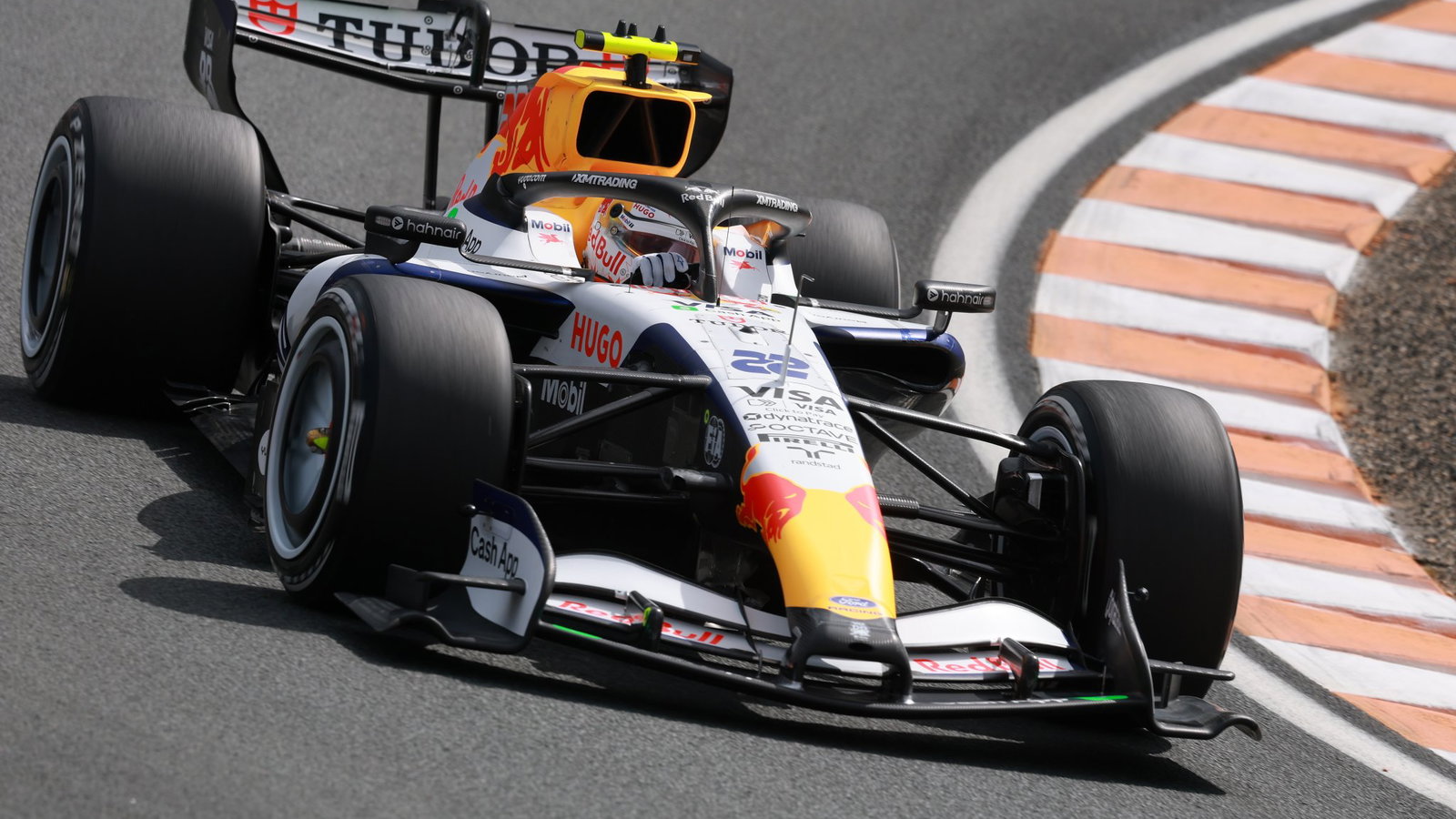
Returning F1 driver shares first impressions on maligned 2026 cars
Yuki Tsunoda says the 2026 Formula 1 cars have lost downforce and are proving tricky on balance and braking after his first running in them on Friday at the Dutch Grand Prix on his return with Racing Bulls. Tsunoda said: "I remember, it was very early stages, so it's a bit different, so maybe it's not fair to say it, but most of the drivers were struggling a little bit with their balance and the brake performance and the amount of downforce that these cars lost compared to last year. I've driven last year's car... But going to this car, it feels a lot different, especially in high-speed corners."
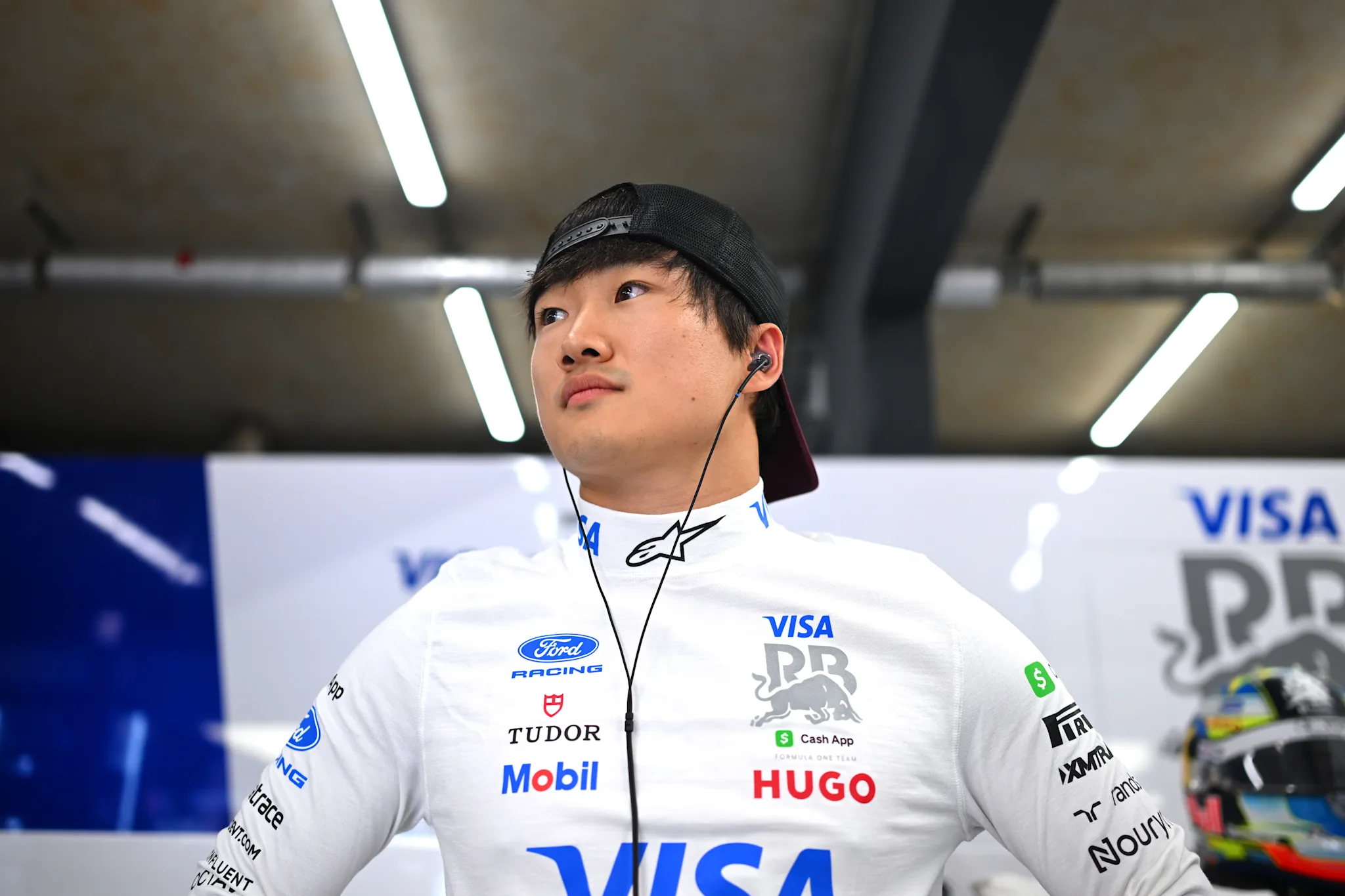
Tsunoda admits feeling ‘like a rookie' in Zandvoort return
Yuki Tsunoda says “everything feels like I’m a rookie” as he gets up to speed with Racing Bulls’ 2026 car on his return to a race seat at Zandvoort, after being called up to replace Liam Lawson when Lawson stepped up to Red Bull for the injured Isack Hadjar. Tsunoda said: "Considering it's my first time in this car… But yeah, it was a bit more work I had to put in the dry condition. To be honest, everything feels like [I'm a] rookie, like brake pressure, everything, is a lot different to previous years. You have two sets of tyres, and you don't want to damage the tyres straight away. It was pretty tricky."
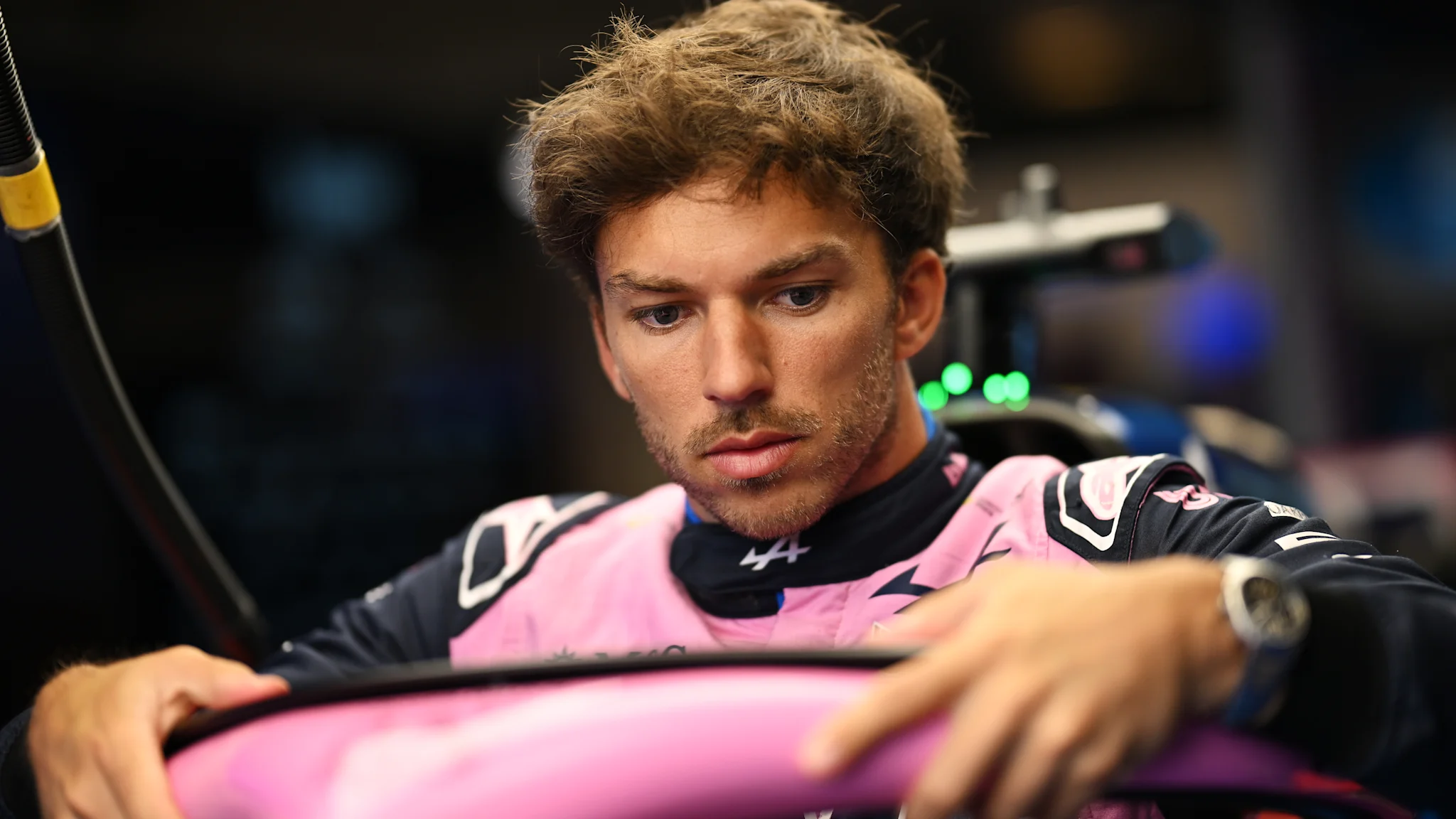
How Alpine's upgrades put Gasly into the midfield battle
Pierre Gasly says Alpine’s latest upgrade package has delivered a “big jump forward” in performance after he qualified eighth for the Sprint in Zandvoort. Pierre Gasly said: "Yeah, it's definitely positive. The feeling inside the car is a lot better, more grip, reacts better to what I try to do, and my driving inside the cockpit. It's only been two sessions, still a lot to understand. But in terms of performance signs, it's definitely a big jump forward, which is positive, and hopefully we can build on that."
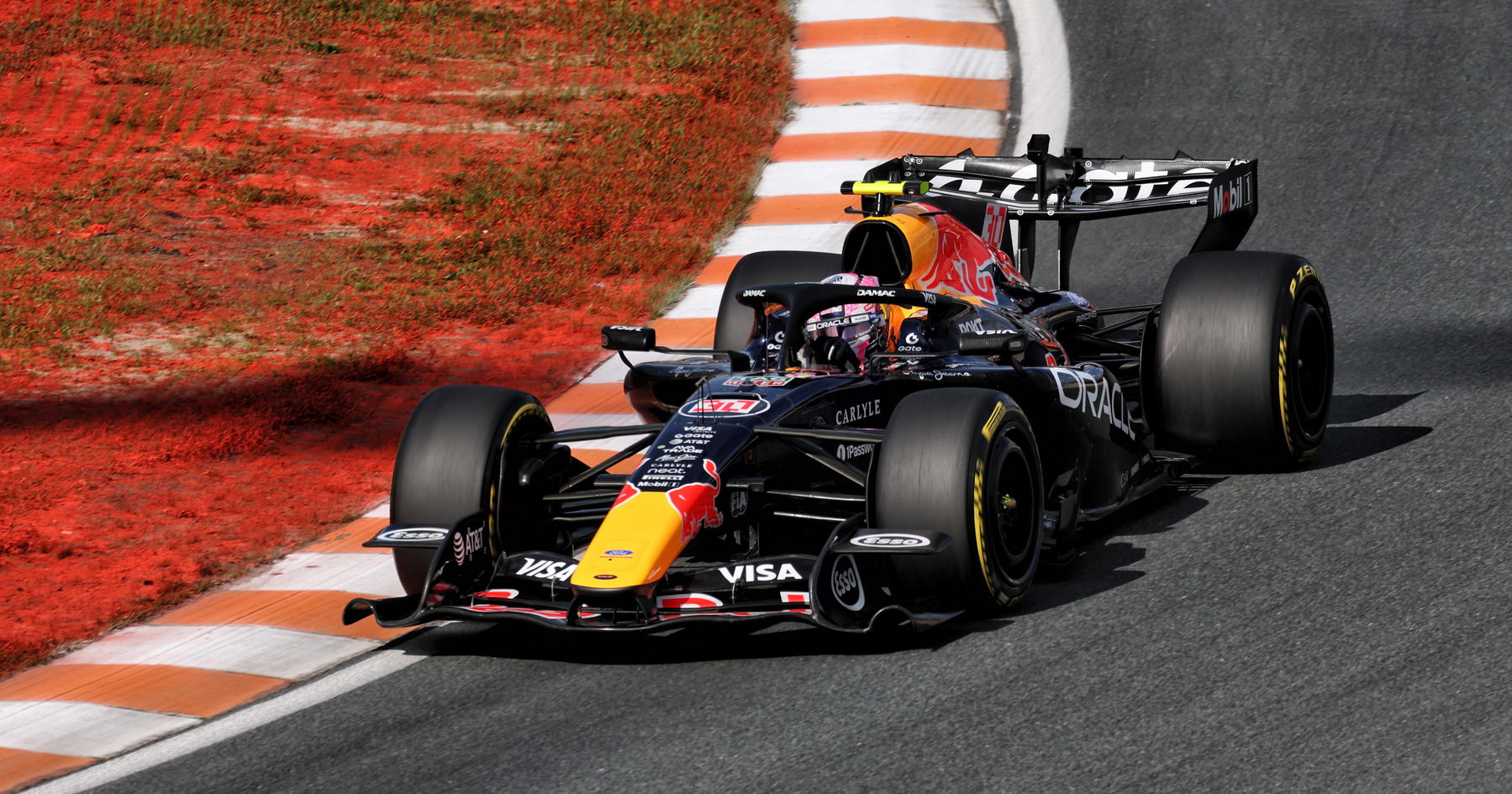
Liam Lawson outlines disappointment on unexpected Red Bull return
Liam Lawson said he did not know why he failed to improve in SQ2 and missed out on the final part of sprint qualifying at Zandvoort on his unexpected return to Red Bull after Isack Hadjar’s wrist injury. Liam Lawson said: "Yeah, honestly, I don't really know. Obviously, it's been an interesting day, but yeah, normally you sort of improve through qualifying, and we started SQ1 quite strong, and then we didn't make the same step that everybody else did. So obviously, we'll look into it. There's a lot, obviously, to learn today. But so far, honestly, I feel quite good in the car. I thought we'd get through, so it's a shame."
More in the app
Download AppDownload SeedStream for more F1 stories
Get the full feed, faster alerts, and the stories worth following on your phone.